Conference about Art, Literature, and Playfulness in the Context of Generative AI
29. - 30. 9. 2026
Praha, Kampus Hybernská - Didaktikon
Speakers
Stephanie Catani
University of Würzburg

David Jhave Johnston
Centre for Digital Narrative, Bergen. glia.ca
Vadim Keylin
Independent Researcher
Matej Novotný
Vysoká škola výtvarných umení, Bratislava
Rudolf Rosa
Univerzita Karlova
Ondřej Vojtíšek
Univerzita Karlova
Barbora Trnková
Masarykova univerzita / ScreenSaverGallery / Vašulka Kitchen Brno
Ondřej Trhoň
No fun kolektiv
Tomáš Marušiak
Masarykova univerzita/King’s College London
Michael Franěk
Masarykova univerzita
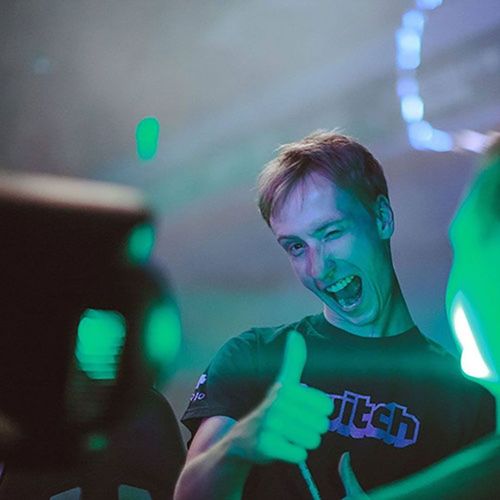
Igor Rjabinin
Vysoká škola výtvarných umení, Bratislava
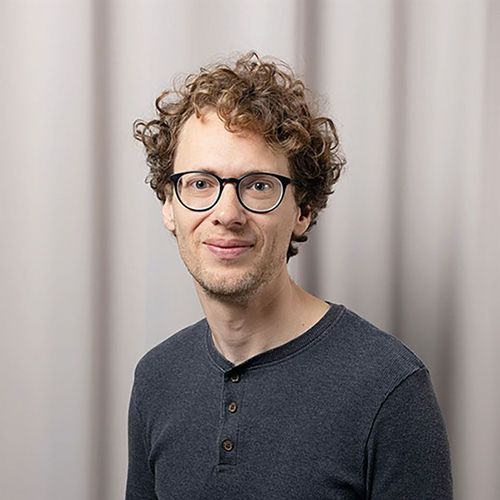
Man Lai Tin
Masarykova univerzita/Univerzita J. E. Purkyně
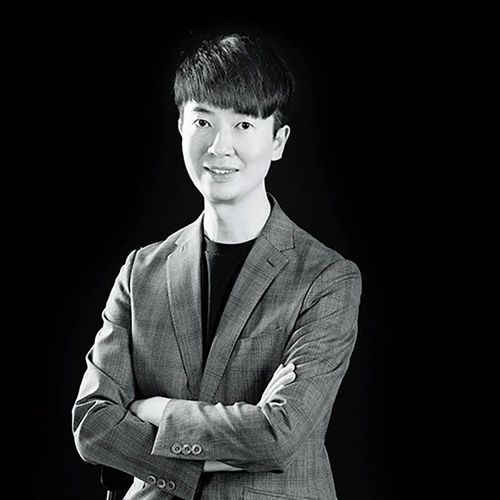
About the Conference
How might Ludwig Wittgenstein have perceived today’s large language models and their impact on our culture? We will, of course, never know. Nevertheless, we can be almost certain that he would have regarded our interactions with them as one of the many language games (Sprachspiele) we play within forms of life (Lebensformen) shaped by the current state of civilization.
We do not need to be specialists in Ludwig Wittgenstein’s philosophy of language to recognize the pervasive ludic principle that accompanies us at nearly every step through the world of generative AI—or, as we have termed it, “the culture of neural networks.” The very situation of prompting—communication with a fictional counterpart that strives to appear as a human interlocutor—already has a game-like character.
The consequences of the rapid development and expansion of contemporary AI capabilities evoke a form of play, insofar as they enable individuals to assume roles that would previously have required specialized expertise or talent (e.g., poet, musician, visual artist, programmer). Creativity, in this context, emerges from an interplay between human capacities and machine performance.
What, then, are the rules of these plays and games? And is it better for art to follow these rules, or rather to approach them subversively—to undermine and challenge them? And are these ludic forms not precisely what contemporary art could employ to effectively reflect on the processes and transformations that AI introduces into culture and artistic practice?